


Few things are more frustrating than picking up your Rose Toy and getting no response. No light, no vibration, no reaction — or a device that starts working and suddenly stops.
The good news is that many “rose toy not working” problems are not permanent failures. A drained battery, charging contact issue, travel lock, or simple blockage can often explain what is happening. Similar issues can also appear across different Rose Vibrator designs, although the exact controls and charging systems vary by model.
This guide walks through the most common symptoms, what they usually mean, and the practical steps worth trying before replacing your device. If you are checking a specific model, the Roselle Rose Toy product page provides current information about its controls, charging, and product specifications.
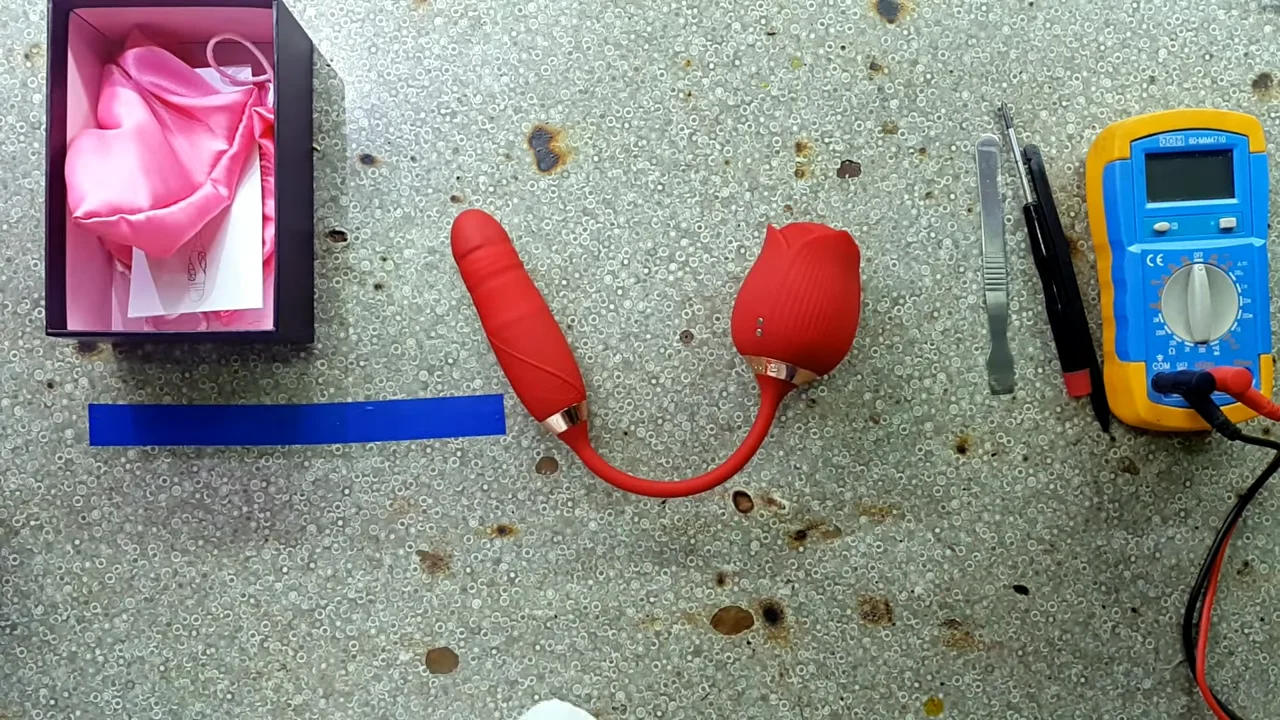
Quick Diagnosis: Find Your Problem
💀 Completely dead — no light, no response
Most likely causes: drained battery, charging contact problem, or power lock → jump to fix
✨ Light blinking strangely
Most likely causes: normal charging behavior, poor connection, or battery issue → jump to fix
🔌 Charging normally but won't turn on
Most likely causes: travel lock, incomplete charge, or button issue → jump to fix
⏱️ Runs briefly then shuts off
Most likely causes: battery aging or low-voltage protection → jump to fix
🌬️ Motor works but air pulse feels weak
Most likely causes: residue around the opening, positioning, or motor wear → jump to fix
If your specific issue is that your device will not charge, see our dedicated guide: Why Is My Rose Toy Not Charging?
If the problem is only the button not responding, our guide on how to turn on a rose toy covers the basic steps.
What Does the Blinking Light Mean?
A blinking light is not always a sign something is wrong. In many cases, it is simply the device showing its current charging status.
🟢 Slow blinking while charging
This usually means the battery is charging normally. Leave it connected until the charging cycle finishes.
🟢 Solid light while charging
This often indicates a full charge, although indicator behavior varies by model.
🔴 Fast or irregular blinking
This can point to poor magnetic contact, dirty charging points, or a battery problem. Try reconnecting the charger and cleaning the contacts.
🟡 Blinking but never completing charging
The charger may not be aligned correctly, or the battery may no longer hold a full charge.
The important thing is consistency. A stable charging pattern is usually normal. A light that behaves differently every time deserves a closer look.
How to Fix a Rose Toy Motor
When people search “how to fix a rose toy motor,” the answer depends on what actually failed. Some problems are simple maintenance issues, while others mean the internal components have worn out.
Clean the Air Opening
Residue from lubricant, dust, or lint can affect airflow around the opening and make the motor sound different or feel weaker.
Turn the device off and gently clean around the opening using a soft brush or cotton swab. Avoid forcing anything deep inside the device.
If your motor sounds unusually loud instead, see our guide: Why Is My Rose Toy So Loud?
Reset the Device
Some electronic devices can temporarily freeze. Try holding the power button for around 10–15 seconds, then recharge before testing again.
The exact reset method varies by model, so check the product instructions if available.
When a Motor Cannot Be Fixed
A burned-out motor or internal circuit failure usually cannot be repaired at home. Most rose toys are sealed devices, and opening them can damage waterproof protection and create additional problems.
Why Did My Rose Toy Suddenly Stop Working?
A device that worked yesterday but does nothing today is usually caused by one of three things: battery, charging connection, or control lock.
1. The Battery Is Not Actually Charged
A charging light does not always mean the battery has enough power to run the motor.
Try charging continuously with a suitable power source before testing again.
2. Charging Contacts Need Cleaning
Magnetic charging points can collect moisture, residue, or oxidation over time.
Clean the metal contacts carefully and make sure they are completely dry before reconnecting the charger.
3. Travel Lock Is Enabled
Some models include a travel lock feature to prevent accidental activation during storage or transport.
Check your model instructions for the correct unlock method. Many devices use a long press or button combination.
If the problem is specifically charging related, continue with our rose toy charging troubleshooting guide.
Why Does My Rose Toy Keep Turning Off?
If your rose toy turns off after a few minutes, the battery may no longer be holding the same capacity as when it was new.
Rechargeable batteries naturally lose capacity over time. Runtime depends on the battery condition, intensity setting, and usage habits.
Before assuming the battery is damaged, try a complete charge cycle and test again.
For normal charging expectations, see: how long a rose toy takes to charge.
Repair or Replace?
Sometimes troubleshooting can solve the issue. Sometimes replacement is the more practical option.
Consider replacing the device if:
- The runtime becomes extremely short even after a full charge.
- The motor performance changes significantly after cleaning and charging.
- The silicone surface becomes sticky, damaged, or difficult to clean.
A reliable product should provide clear material information, proper charging support, and after-sales assistance.
If you are comparing a new model, you can explore the Roselle Classic Rose Toy for product specifications and current details.
Frequently Asked Questions
Why is my rose toy not working at all?
Start with the basics: charge it fully, check the charging connection, clean the contacts, and make sure a travel lock is not enabled.
Why is my rose toy blinking but not charging?
A stable blink may be normal charging behavior. Rapid or inconsistent blinking usually means checking the charger connection and contacts is worthwhile.
Can a rose toy motor be repaired?
Simple issues like residue buildup or temporary electronic freezes may be fixable. Internal motor failure usually requires replacement.
Why does my rose toy keep turning off?
Common causes include battery aging, incomplete charging, or power protection features.
How do I make my rose toy last longer?
Keep the charging area clean and dry, use the correct charger, clean the device after use, and store it properly between uses.
The Bottom Line
Most rose toy problems are not as mysterious as they first seem. A strange light, weak performance, or sudden shutdown often comes back to a small number of causes: charging, cleaning, battery condition, or controls.
Take a few minutes to identify the symptom before replacing the device. In many cases, a simple fix is enough to get it working again.