


There is no single, clearly documented inventor of the Rose Toy. The rose-shaped air-pulse design became widely recognized through the adult wellness market and later gained significant attention online, but the exact first creator, first brand, and original launch date are not publicly confirmed.
That answer may be less exciting than a simple origin story, but it is also the most accurate. Many online articles repeat the same claims about the history of the rose toy without showing reliable primary sources behind those statements. Modern Rose Vibrator designs have also expanded considerably, which makes it even more important to separate the history of the category from individual products.
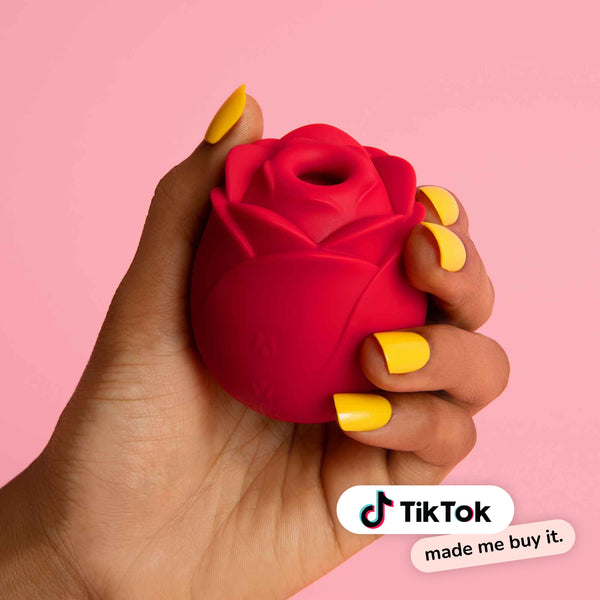
What we do know is why the design became recognizable: it combined a compact floral shape with external stimulation technology in a way that felt different from traditional product designs. A current example of this familiar style is the Roselle Rose Toy, which follows the recognizable rose-shaped air-pulse format.

The Short Answer: The Inventor Is Not Clearly Documented
Search for “who invented the rose toy” and you will find many confident answers. Some articles credit an individual, others mention a specific company, while others suggest the design came from a manufacturing team.
The problem is that many of these stories appear to repeat each other rather than reference original documents, patents, or verified historical records.
Consumer products are often created through several stages. Industrial design, manufacturing, component development, branding, and distribution may involve different companies and teams.
The person involved in creating the first concept may not be the same company that produced a commercial version, and the brand that becomes famous may not be the original manufacturer.
So the safest conclusion is simple: there is currently no universally accepted inventor of the rose toy that can be verified through reliable public information.
When Did Rose Toys Become Popular?
Rose-shaped intimate products became much more visible around the late 2010s and early 2020s. By 2020 and 2021, the shape had become recognizable across social media, online marketplaces, and adult wellness stores.
However, popularity is not the same as invention. A product may exist for years before a wider audience notices it.
The part people often overlook is that several different dates can describe a product’s history:
- when the design was created
- when manufacturing started
- when a brand began selling it
- when customers started sharing it online
Those four moments are often combined together when people talk about product origins, which creates confusion.
Why Is the Rose Toy Origin Story So Confusing?
One reason is the way many consumer products are manufactured today. A factory may create a general product concept, then different brands may introduce their own versions with changes to materials, controls, packaging, or features.
This makes product history more complicated than products created, manufactured, and sold by one company from the beginning.
There is also an important difference between owning a brand name, owning a specific design right, and inventing an entire product category.
Those things are connected, but they are not the same.
You may also find references online to an inventor named “Emma.” Without reliable primary documentation, those stories are better treated as internet discussions rather than confirmed history.
What Made the Rose Shape Catch On?
The popularity of the rose design does not really depend on one dramatic invention story. The appeal comes from a combination of appearance, familiarity, and function.
A rose is instantly recognizable. Compared with more traditional mechanical-looking designs, the floral shape feels softer and less intimidating to many customers who are exploring this category.
The petals also provide a natural structure around the stimulation area while keeping the overall shape compact.
What actually made the design successful was not only the technology itself, but the way the product looked, photographed, and was shared.
How the Rose Toy Became a Social Media Product
The rise of the rose toy is closely connected with short-form content. The unusual shape made it visually distinctive, which helped it stand out in crowded social feeds.
Curiosity played a major role. People could see a rose-shaped object without immediately understanding what it was, which encouraged comments, discussions, and searches.
Once more people recognized the design, the rose shape became a visual reference for the category itself.
Was the Rose Toy the First Air-Pulse Toy?
No. Air-pulse and suction-style external stimulation existed before rose-shaped products became widely known.
The difference was that the rose format placed this type of stimulation inside a distinctive floral design that became much easier for people to recognize.
Popularizing a product style is not the same as inventing the underlying technology.
If you want to understand how the mechanism works rather than the history, our guide on how a rose toy works explains the basic principles behind air pressure and stimulation patterns.
How Modern Rose Toys Differ From One Another
Once the rose shape became popular, the category expanded quickly. Today, two products can look almost identical from the outside while offering very different experiences.
Some models focus mainly on air-pulse stimulation. Others combine vibration, tongue-style movement, app control, or different intensity patterns.
The outside appearance does not always tell you what is happening inside. Internal structure, controls, material softness, and motor design can have a bigger impact than the flower shape itself.
For shoppers comparing different styles, the Rose Vibrators collection provides a clearer way to compare different stimulation formats rather than treating every rose-shaped product as the same.
What Actually Matters When Choosing a Rose Toy?
“Original” is an interesting word, but it is not always the most useful way to choose a product.
What matters more is whether the specific product provides clear information about the things that affect everyday use: material, stimulation type, controls, charging method, water resistance, and customer support.
A product description should explain the actual model rather than make broad claims about every rose toy on the market.
Charging is also worth considering. Many rechargeable products use model-specific magnetic cables, and finding replacements can become frustrating if the seller does not provide reliable support.
Price alone does not tell the whole story. A lower price does not automatically mean poor quality, and a higher price does not automatically guarantee a better experience.
Does “Rose Toy” Refer to One Product or a Category?
Today, “rose toy” is commonly used as a category term for rose-shaped intimate wellness products rather than one single model.
This is why many brands can sell products with similar floral designs while offering different features and specifications.
The more useful comparison is usually:
Brand + model + stimulation type.
For example, the Roselle Classic Rose Toy refers to a specific product, while “rose toy” describes the broader category it belongs to.
If you are new to the category, our guide on what a rose toy is explains the different designs and how they compare.
Frequently Asked Questions
Who invented the rose toy?
There is no single inventor that can be confidently confirmed from publicly available information. The design appears to have developed through a broader process involving product design, manufacturing, and branding.
Was the rose toy invented in 2019?
2019 is often mentioned in online discussions, but it should not be treated as a confirmed invention date without stronger original documentation.
Did TikTok invent the rose toy trend?
No. TikTok did not create the product category, but it played an important role in making the rose shape familiar to a much larger audience.
Are all rose toys the same?
No. Different models can vary in stimulation type, materials, controls, charging systems, and overall design.
Is every rose toy patented?
No. Patent and design protection depend on the specific product, country, registration status, and rights holder. A similar appearance does not automatically mean the same technology or ownership.
How should I choose between different rose toys?
Start with the type of experience you are looking for. Compare stimulation style, controls, material information, charging method, and warranty rather than choosing based only on appearance.
So, Who Invented the Rose Toy?
The most accurate answer is that there is no simple, universally accepted inventor documented publicly.
What we can see clearly is how the category developed: a recognizable floral design appeared, manufacturers continued improving different versions, and social media helped transform the rose shape into a widely known product style.
The story is less about one person creating the rose toy overnight and more about how modern consumer products evolve through design, manufacturing, and customer adoption.
If you are interested in the classic air-pulse format rather than the history itself, you can compare current rose-shaped designs and product specifications across RoseToy.net.


