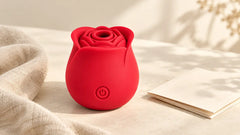
Brief numbness after vibrator use does not, by itself, establish permanent nerve damage. Stop using a rose toy if sensation changes, and have persistent, recurring or painful symptoms assessed. General vibrator research cannot certify that every rose-shaped device is risk-free or diagnose what happened to you. To identify a device, RoseToy.net lists current models and links to their product details.
If you searched “does the rose toy cause nerve damage?” because something feels different, start with the symptoms—not an internet promise that it is harmless. Here is how to separate a change in sensation from a problem that needs medical attention.
Does numbness after a rose toy mean nerve damage?
No single sensation answers that question. Reduced feeling, surface soreness, burning and visible injury are different observations. Calling all of them “desensitization” can hide the reason you need help.
| What you notice | What it tells you | What to do |
|---|---|---|
| Sensation briefly feels reduced after stimulation | A symptom, not a diagnosis of permanent injury. | Stop stimulation. Do not keep testing the area with stronger settings. |
| Numbness persists, keeps returning or affects normal sensation | It needs an individual assessment. | Arrange medical advice and keep the toy out of use. |
| Burning, swelling, broken skin or bleeding | Do not dismiss these as a sensitivity “reset.” | Stop use and seek care appropriate to the severity. |
| Numbness with weakness or new loss of bladder or bowel control | Potential emergency signs, whatever happened beforehand. | Seek emergency care; call 911 when needed. |
The table is an action guide, not a way to diagnose nerves at home. A symptom appearing after a session does not establish its cause.

What does research actually show about vibrators and nerves?
A US survey reported in 2009 included 2,056 women aged 18–60 and asked about vibrator use and related symptoms. Most participants reported no genital symptoms associated with use (Herbenick et al., PubMed).
That is useful general evidence, with clear limits: it was a cross-sectional survey, not a clinical test of modern rose-shaped air-pulse devices. It did not measure nerve injury in your product or prove that every pressure, duration and device design is safe.
Temporary symptoms are not the same as a diagnosis
A change that resolves after rest and a persistent loss of sensation are not interchangeable descriptions. Neither should be diagnosed from a forum comment, a product photograph or an analogy about loud music.
Why a fixed recovery time is misleading
There is no verified countdown in this evidence that tells every rose-toy user when sensation must return. Do not wait out a seller’s “24-hour rule” if symptoms are severe or worrying. Likewise, do not follow a generic multiweek “nerve reset” instead of having ongoing symptoms assessed.

What should you do if your clitoris feels numb or sore?
1. Switch the device off and stop stimulation
Do not increase suction, press harder or keep touching the area to prove that you can still feel something. Stop any activity that reproduces pain or numbness. If the device itself is hot or damaged, stop using and charging it.
2. Note the symptom without trying to diagnose it
Record when it started, whether it affects one spot or a wider area, and whether there is pain, swelling or a visible skin change. Include the model, setting, approximate session length and any new lubricant or cleanser. These details are more useful to a clinician than “the toy killed my nerves.”
3. Choose care based on what is happening
Get medical advice for unexplained numbness, a recurring change in sensation, pain or symptoms that do not settle. MedlinePlus explains that numbness has many possible causes and identifies associated weakness or loss of bladder or bowel control as reasons for emergency care. Do not assume the device explains every new symptom.
Do not apply a numbing product so you can continue. It removes feedback you need when deciding whether touch is comfortable. Avoid experimenting with aggressive cleaning products or trying to repair a bodily symptom by changing the toy’s charger.

Can pressure, intensity or positioning make a rose toy uncomfortable?
Yes. An external air-pulse opening can still contact the surrounding skin. “Air pulse” does not mean the device can never press, rub or irritate. A position that feels comfortable to someone else may be too concentrated for you.
Use the lowest comfortable setting
A higher number is not a goal. If the lowest mode already feels unpleasant, switch off rather than pushing through it. Our guide Rose Toy Too Strong? explains placement and control adjustments for readers who are comfortable and symptom-free.
Follow the instructions for the actual design
Some rose vibrators have a compact external head; others add a shaft or a moving contact surface. Those designs do not share one universal technique. Use How to Use a Rose Toy to identify the relevant format, and follow the manual supplied with your model. The Roselle Rose Toy (Classic) is a compact external example; its specifications do not establish the medical safety of another design.
Do not use through a symptom
A lower setting is an adjustment for future comfortable use, not treatment for current pain or numbness. If symptoms return when you resume, stop again and discuss that pattern with a healthcare professional. Our intimate wellness guide covers broader terminology and device-care topics; it does not diagnose a change in sensation.
For the separate overnight-use question, see Can You Sleep With a Rose Toy In?; follow the intended use of your exact device.
What should you check on the device before using it again?
Once symptoms have resolved and you have followed any medical advice, inspect the opening and contact surfaces for roughness, splitting or damage. Check that you can operate the controls and stop the device reliably. Keep a damaged device out of use.
Use the care method allowed for that model; leftover cleanser or an unfamiliar lubricant is a separate comfort issue from nerve function. Our Rose Toy Side Effects guide distinguishes irritation, urinary symptoms and other concerns so they are not all labelled nerve damage.

If you later compare other controls or shapes
Look at the opening, grip and controls rather than assuming another device will fix a medical symptom. These product pages explain two formats; compare them only after the current concern has been addressed. The Roselle Classic Rose Toy page lists the compact model’s opening and controls. Other rose vibrators can be compared by format rather than treated as a solution for symptoms.

FOCUSED AIR-PULSE
Roselle Classic
A compact rosebud for focused external stimulation, with 10 modes and one-button control.
Magnetic USB charging · Storage pouch included
Shop Roselle Classic →
ROSE HEAD + ATTACHED SHAFT
Roselle Duo
A rose head with an attached shaft and independent function controls. Compare its shape and supplied care instructions.
Suction, thrusting and vibration
Shop Roselle Duo →Questions about rose toys and reduced sensitivity
Can a rose toy “kill your nerves”?
That phrase is not a medical diagnosis. A change in feeling cannot establish structural nerve damage, and a seller cannot rule an injury out for you. Describe the actual numbness, pain or skin change when you seek advice.
Should I use it again to check whether sensation is back?
Do not use the device as a repeated test while symptoms remain. Return to ordinary comfortable sensation and follow any clinician’s advice before considering another session.
Is a different feeling with partner touch proof of damage?
No. Different types of touch can feel different, but that observation does not diagnose the reason. If a change is persistent, distressing or accompanies pain or numbness outside stimulation, discuss it with a qualified professional.
Does a higher-priced rose toy guarantee better nerve safety?
No. Price is not a clinical safety certificate. Clear model instructions, inspectable surfaces, usable controls and responsive support help you assess a product; none replaces medical assessment when something feels wrong.